OpenAI execs mused over Cerebras acquisition in 2017
Advertisement
The discussions originated with Ilya Sutskever, a co-founder of OpenAI, who suggested in 2017 that Tesla could be the acquisition vehicle for Cerebras. Sutskever noted that buying Cerebras through Tesla could create a conflict since Tesla's duty to maximize shareholder profit might not align with OpenAI's nonprofit-driven mission. His idea sparked further consideration, but ultimately the acquisition was shelved.
Multiple OpenAI leaders, including Musk and Greg Brockman, who is now OpenAI's president, participated in the conversation, which discussed merger terms and due diligence steps. Despite these efforts, the deal fell apart, though the legal filings do not specify why it was abandoned.
Advertisement
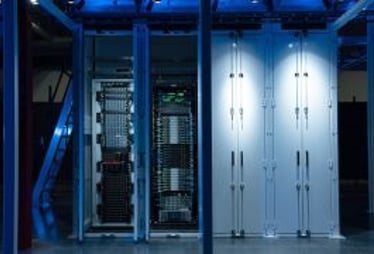
Cerebras, which designs wafer-scale AI processors that it claims outperform Nvidia's GPUs for AI training, is now preparing to go public. The company has raised $715 million and is targeting a valuation of around $8 billion. However, its reliance on a single client, Abu Dhabi's G42, for 87% of its revenue in the first half of 2024 poses a risk, especially as G42's historical ties to China's Huawei have drawn attention from U.S. lawmakers.
OpenAI's acquisition of Cerebras might have been mutually beneficial, allowing Cerebras to bypass the challenges of an IPO while giving OpenAI resources to design AI processors in-house and therefore not relying on Nvidia, which dominates the AI processor market these days.
Since abandoning the acquisition plan, OpenAI has revamped its hardware strategy. Initially, the company wanted to build a network of fabs operated by foundries like TSMC, and solely dedicated to AI processors. However, this was not exactly financially viable, so OpenAI shelved the idea. The company is nowworking with Broadcom to design its own AI processorsthat are expected to be made by TSMC.
By developing proprietary processors, OpenAI aims to reduce its dependency on Nvidia and cut operational costs. The first chips could be ready as early as 2026, allowing OpenAI to improve cost efficiency for training and deploying its AI models, which aligns with the company's long-term strategic goals.